
What Are the 5 Phases of the Design-Build Process?
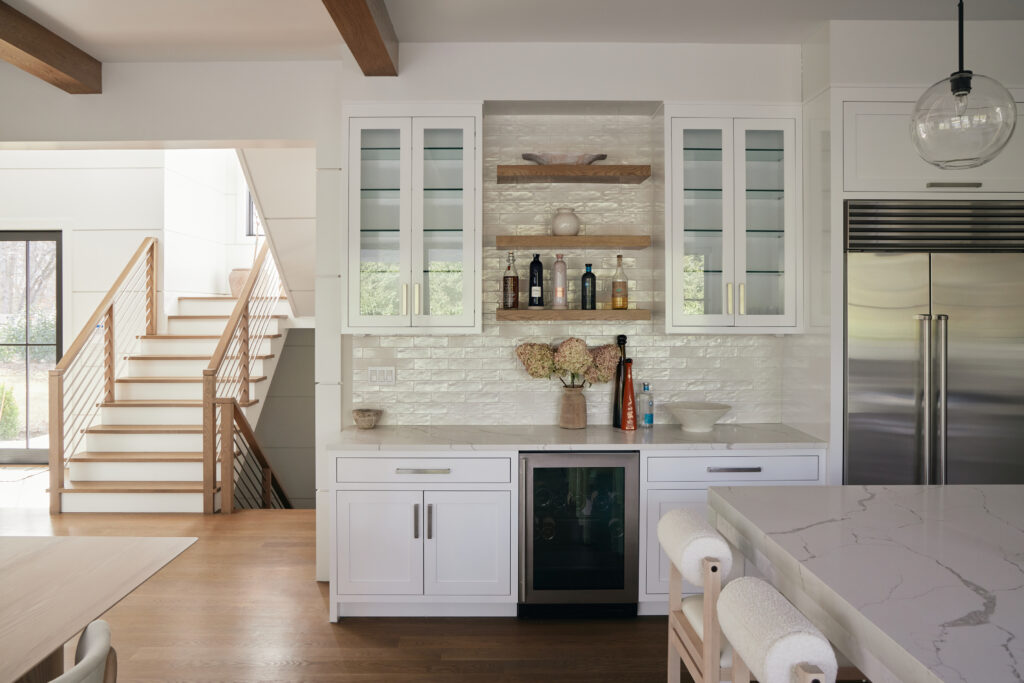
The design-build process moves through five phases: pre-design planning, schematic design, design development, construction documents, and construction itself. Unlike traditional delivery methods that separate architect and contractor, design-build consolidates responsibility under one team, which reduces miscommunication and often shortens project timelines significantly. Most people assume building a home or commercial space means juggling two completely […]
What Are the 4 Methods of Valuing Variations in Design-Build Contracts?
The four methods of valuing variations in design-build contracts are: agreed lump sum pricing, bill of quantities rates, daywork rates, and fair valuation by the contract administrator. Each method applies in different circumstances depending on what information is available, how similar the variation is to original contract work, and whether agreement can be reached between […]
What Are the 7 Steps in the Design Process? A Practical Guide for Getting It Right
The 7 steps in the design process are: Define the Problem, Research and Gather Information, Ideate and Brainstorm, Develop Concepts, Prototype and Test, Refine and Iterate, and Deliver the Final Solution. Each step builds on the last, creating a structured path from a vague idea to a resolved, real-world outcome that genuinely serves its intended […]
What Is the Meaning of Design-Build, and Why Does It Change Everything About How Projects Get Built?
Design-build is a project delivery method where a single entity handles both the design and construction of a project under one contract with the owner. This unified structure eliminates the traditional gap between architect and contractor, which is where most project delays and budget overruns originate. The result is faster timelines, clearer accountability, and tighter […]