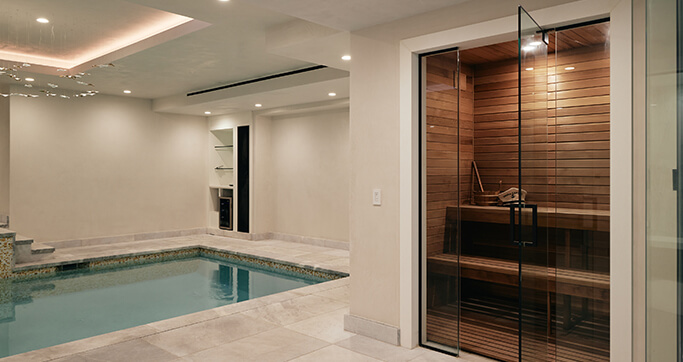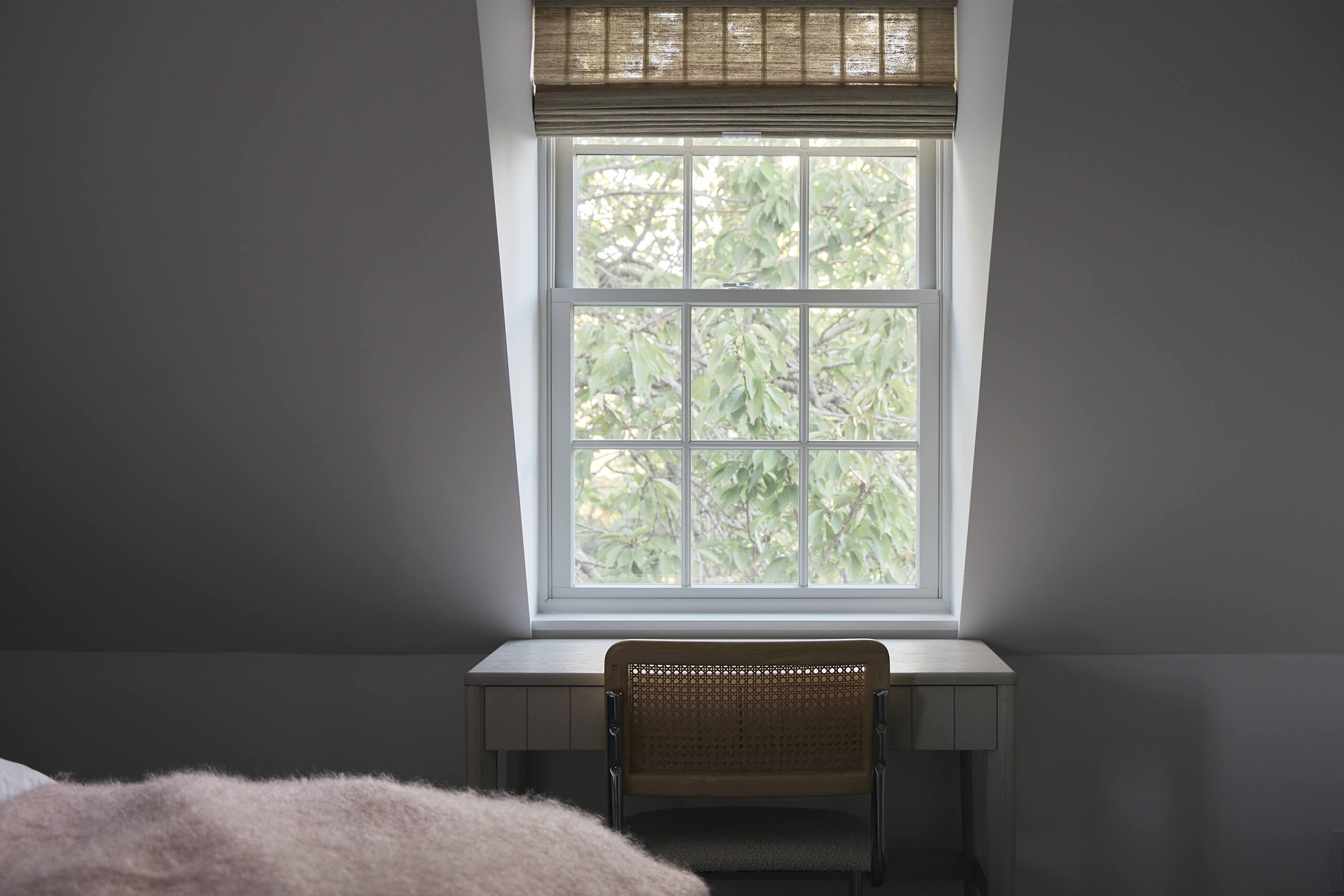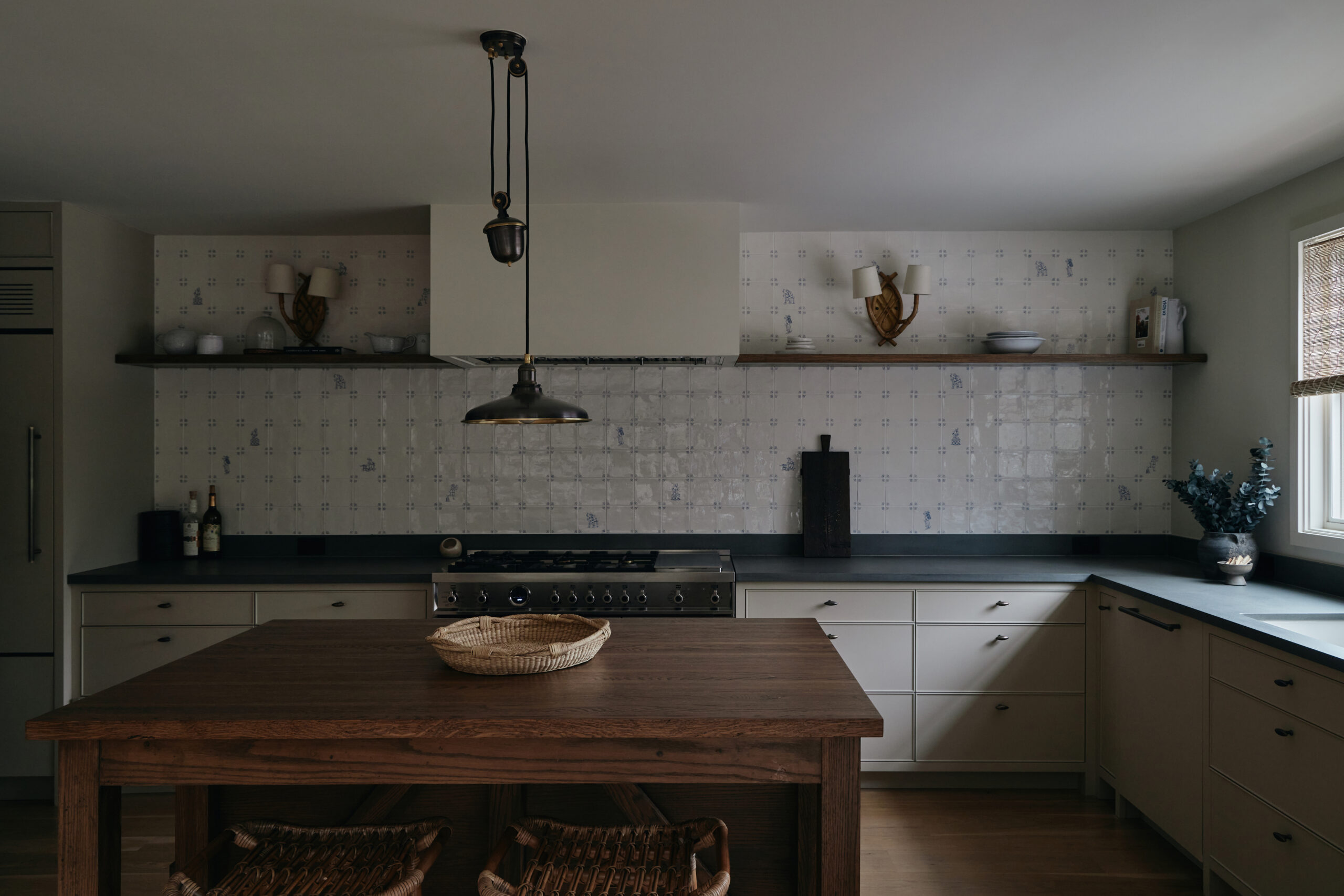
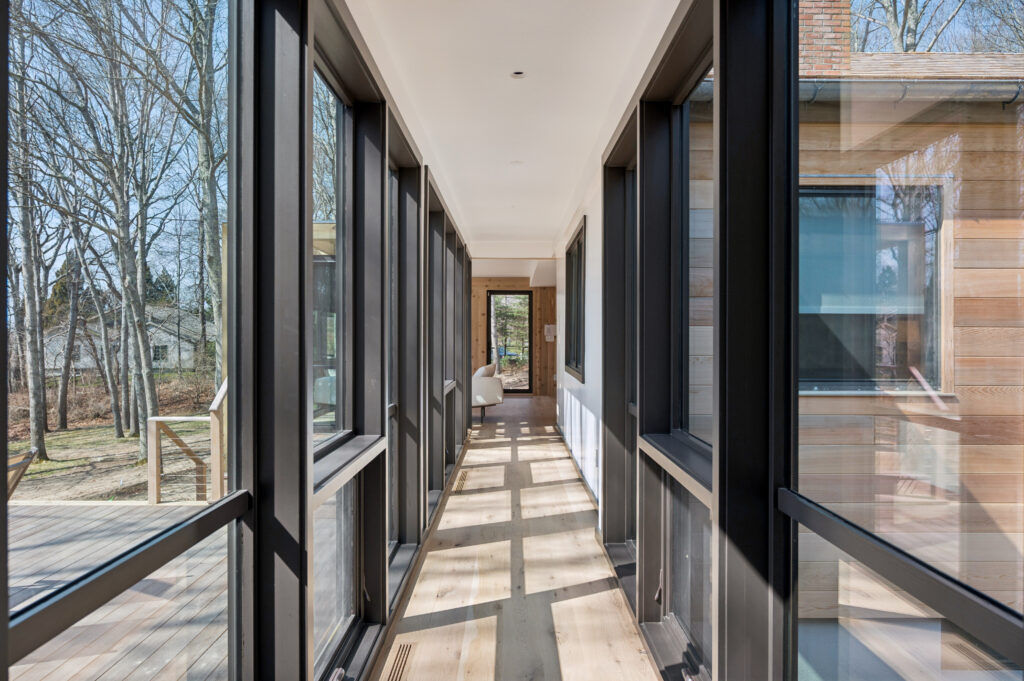
A custom home is a one-of-a-kind residence designed and built specifically for one client on a chosen lot, with the homeowner controlling decisions from floor plan to finishes. Unlike production or semi-custom homes, every structural and aesthetic detail is tailored to the buyer’s lifestyle, preferences, and budget. The result is a home that no one else has or will have built the same way.
Most people use “custom home” loosely, but there’s a real definition behind it. Understanding what separates a custom build from a spec home or a semi-custom option helps you make a smarter decision before spending a significant amount of money and time. Here’s what actually qualifies a home as custom, and what that means for you as a buyer or builder.
Key Takeaways
- A custom home is designed from scratch for a specific client, not built from a pre-existing catalog of plans.
- The homeowner owns the lot before construction begins, which is one of the clearest distinctions from production builds.
- Every major decision, from structural layout to cabinet hardware, is made by the client in collaboration with the builder and architect.
- Custom builds typically take longer and cost more per square foot than production homes, but offer full personalization.
- Working with an experienced custom home builder matters more in this process than in any other type of residential construction.
- The term “custom” is sometimes used loosely by builders; knowing what to look for protects you from overpaying for limited choices.
Things You Must Know
1. “Custom” Does Not Always Mean What You Think
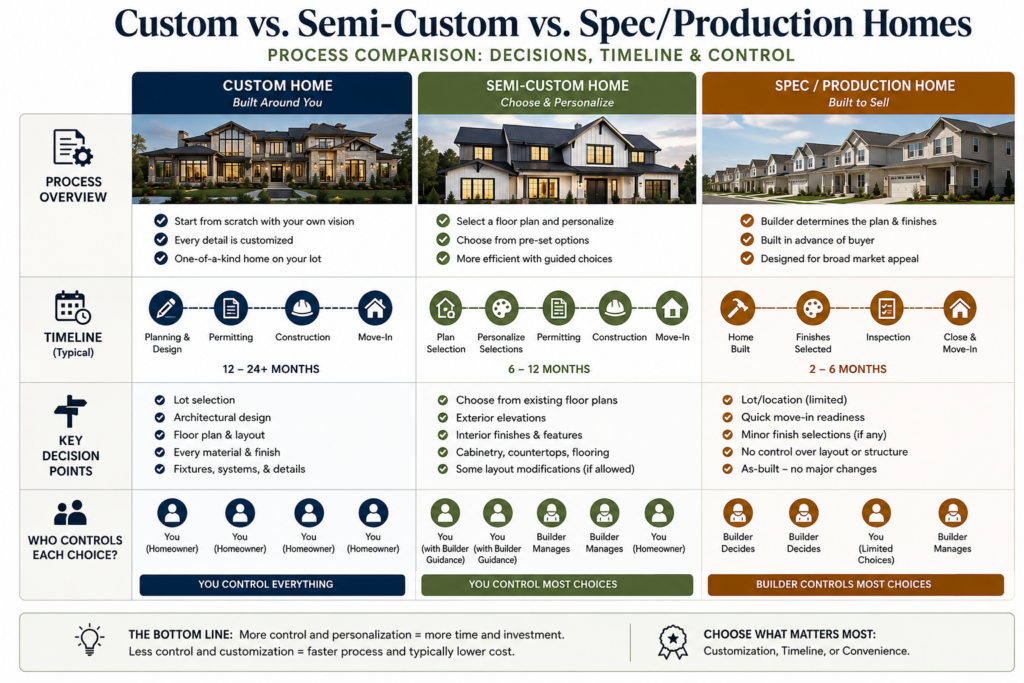
Some builders advertise “custom homes” when they actually offer semi-custom options: a fixed set of floor plans with a menu of upgrades. A true custom home starts with a blank slate. If a builder hands you a catalog and asks you to choose a plan, that is semi-custom at best. Always ask whether you can modify the structural layout, not just the finishes, before signing anything.
2. Lot Ownership Is Usually a Prerequisite
In most true custom home arrangements, you own or purchase the land before the builder breaks ground. This gives you control over location, orientation, and how the home sits on the property. Spec homes and production builds flip this: the builder owns the land and sells you the package. If the builder also owns the lot, clarify what design freedoms you actually have before assuming the build is fully custom.
3. The Process Takes Considerably Longer Than a Production Build
Design, permitting, and construction on a custom home can take anywhere from 12 months to well over two years depending on complexity, location, and market conditions. This is not a reason to avoid the process, but it is something to plan around. If you need to move by a specific date, a custom build requires a realistic timeline conversation with your builder before any contracts are signed.
What Actually Defines a Custom Home?
The clearest definition comes down to three factors: design origin, land ownership, and decision control. A custom home starts with your vision, sits on your land, and is built based on choices you make at every stage. No two custom homes are alike, even when built by the same contractor.
Compare that to a production home, where a developer buys land in bulk, builds the same few floor plans repeatedly, and sells finished or near-finished homes to buyers. The buyer gets a home quickly, but they get it on the builder’s terms. A semi-custom home sits between those two: the structure is predetermined, but the buyer selects interior finishes, some layout modifications, and exterior options from a fixed menu.
| Feature | Custom Home | Semi-Custom | Production/Spec |
| Floor Plan Origin | Designed from scratch | Modified from existing plan | Pre-built or catalog |
| Land Ownership | Buyer owns or selects lot | Often builder-owned | Builder-owned |
| Structural Control | Full | Partial | None |
| Finish Selection | Unlimited | Curated options | Fixed or very limited |
| Timeline | Longest | Moderate | Shortest |
| Cost Per Sq Ft | Typically highest | Mid-range | Typically lowest |
What Does the Custom Home Design Process Look Like?
Understanding the process helps set realistic expectations. Custom home construction is not just construction; it starts long before a single nail goes in. If you are exploring how to build a custom home, here is the general sequence most projects follow.
- Lot selection and site analysis. The land affects every design decision. Slope, soil type, orientation, setbacks, and local zoning all shape what can be built and how.
- Architect or designer engagement. A custom home starts with a design professional translating your vision into technical drawings. This phase can take months on its own.
- Design development and revisions. Floor plans are reviewed, revised, and refined based on your feedback, budget, and site constraints.
- Permitting and approvals. Depending on the municipality, permit timelines can range from weeks to several months.
- Pre-construction selections. Materials, systems, and finishes are selected before framing begins to avoid costly change orders later.
- Construction phase. Framing, mechanical rough-in, insulation, drywall, and finishes follow in sequence. Site visits are common and encouraged.
- Final walkthrough and punch list. Before handover, the builder and client walk through the home to identify any outstanding items.
What Makes a Custom Home Different From a Luxury Home?
These two terms overlap but are not the same. A luxury home refers to price point, location, and high-end finishes. A custom home refers to the design and build process. You can build a modest custom home on a rural lot with a straightforward layout and standard materials. It is still custom because it was designed specifically for you.
Conversely, a luxury spec home can be extremely expensive and beautifully finished without being custom at all. The builder made every design decision. You purchased the result. Knowing this distinction matters when evaluating what you are actually paying for.
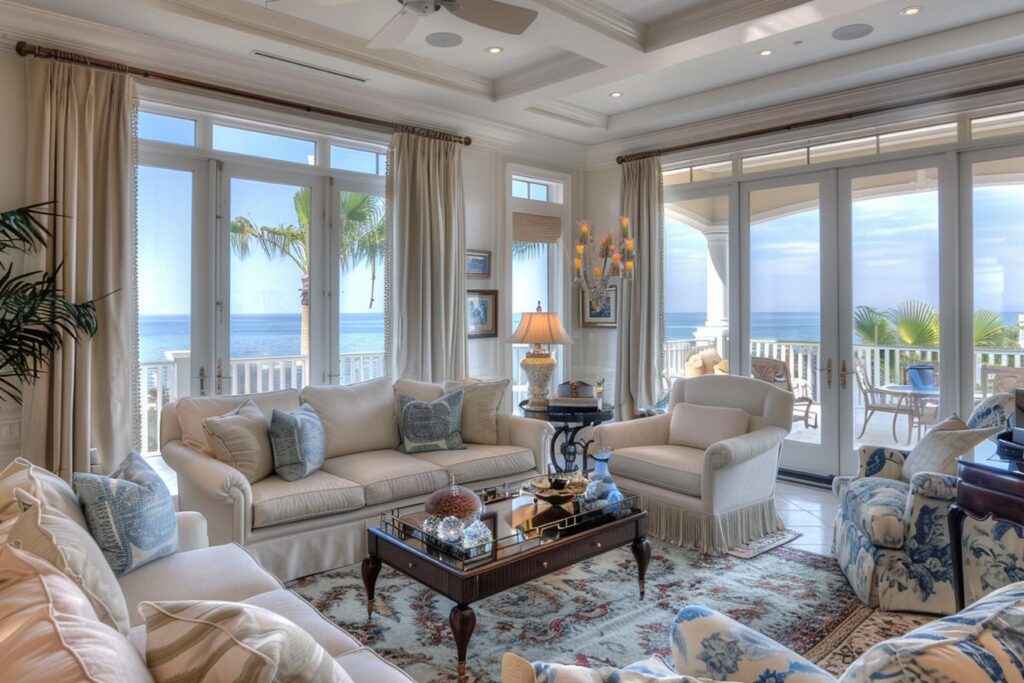
Custom homes typically cost more per square foot than production homes due to the individualized design process, lower material volume purchasing, and the additional coordination required between architects, engineers, and trade contractors throughout the build.
How Much Control Does a Homeowner Really Have?
In a true custom build, the homeowner controls a significant number of decisions. That level of control is both the greatest advantage and the most demanding part of the process.
Decisions that are typically within the homeowner’s control include:
- Room count, size, and placement
- Ceiling heights and structural features like vaulted ceilings or exposed beams
- Window placement and size (within structural limits)
- Kitchen and bathroom layout
- Exterior style, cladding, and roofline
- All interior finishes including flooring, tile, cabinetry, countertops, and hardware
- Mechanical systems including HVAC type, plumbing fixture brands, and smart home integrations
- Outdoor spaces, garages, and accessory structures
Industry surveys consistently show that homeowners who build custom homes report higher long-term satisfaction with their living space compared to those who purchased existing homes, largely due to the degree of personalization involved in the process.
That said, decisions are not made in a vacuum. Structural engineering, local building codes, site conditions, and budget all create real constraints. A good custom builder helps you understand those limits early, not after you have already fallen in love with a design that cannot be built on your lot.
What Factors Drive the Cost of a Custom Home?
| Cost Factor | Impact Level | Notes |
| Lot location and preparation | High | Slope, utilities, soil conditions all affect cost |
| Square footage | High | Larger homes cost more in total but not always per sq ft |
| Design complexity | High | Unusual angles, curves, or rooflines increase labor costs |
| Material selections | High | Imported stone vs. domestic tile can triple the cost |
| Local labor market | Medium | Trade availability and rates vary significantly by region |
| Change orders during construction | Medium to High | Changes after construction begins are the most expensive kind |
Change orders placed after framing is complete can cost significantly more than the same changes made during the design phase, with some industry estimates suggesting the multiplier can be three to five times the original design-phase cost depending on the scope of work.
Common Mistakes Homeowners Make When Building Custom
- Under-budgeting for the design phase. Architectural and engineering fees are real costs, not an afterthought. Skimping here often leads to problems during construction.
- Choosing a builder based on price alone. The lowest bid rarely reflects the full scope of what a quality custom build requires. Vet experience, references, and communication style carefully.
- Delaying material selections. Waiting to choose finishes until construction begins forces rushed decisions and can delay the schedule significantly.
- Not reading the contract carefully. Understand what is included in the base price versus what is an allowance. Allowances are estimates, not guarantees, and overruns come out of your pocket.
- Assuming “custom” protects you from builder defaults. Even in a custom build, vetting your builder’s financial stability, licensing, and insurance is non-negotiable.
- Ignoring resale considerations entirely. Building to your personal taste is valid, but extremely niche design choices can complicate future sale. Balance personal vision with basic market awareness.
For homeowners ready to take the next step, understanding how long it takes to build a custom home is one of the most practical questions to settle early in the planning process.
Is a Custom Home Right for You?
A custom home makes the most sense when you have a clear vision for how you want to live, a lot you love, and enough time to go through the full design and build process. It is not the right fit if you need to move quickly, have a very tight budget with no flexibility, or are not prepared to make hundreds of decisions over an 18-to-24-month period.
For people who have tried finding their ideal home on the open market and come up empty, custom construction is often the practical answer, not the extravagant one. Exploring your custom home options with a qualified builder is the best way to understand what is realistic for your situation.
Custom and semi-custom homes represent a meaningful share of new single-family home construction in the United States, with demand often rising in markets where existing housing inventory is low and buyer preferences are increasingly specific.
Frequently Asked Questions
What are the five different types of houses?
The five most common residential home types are single-family detached homes, townhouses, condominiums, multi-family homes (such as duplexes), and manufactured or modular homes. Custom homes most commonly fall under the single-family detached category, though custom builds can technically apply to any residential structure designed to a specific client’s specifications.
What questions should you ask a custom home builder?
Before signing with any builder, ask how many custom homes they have completed, whether they handle design in-house or work with outside architects, how they manage change orders, what is included in the base contract versus listed as allowances, and how communication is handled throughout the project. You should also ask for references from past clients who built homes of comparable complexity to yours.
What to consider when building a custom home?
Key considerations include lot selection and site conditions, your realistic budget including a contingency reserve, your desired timeline, the level of design involvement you want, local zoning and building code requirements, and your long-term plans for the property. Working with an experienced builder who has operated in your specific area adds meaningful value to every one of these decisions.
What is the purpose of a customs house?
A customs house (spelled without the space) is a government facility where customs duties and import/export regulations are administered. It is a completely different concept from a custom home. The confusion comes from similar spelling, but the two terms have no connection in meaning or function.
What are the 4 types of houses?
Common frameworks categorize residential homes into four broad types: detached single-family homes, attached homes (townhouses or row houses), multi-family homes (apartments, duplexes, triplexes), and manufactured or prefabricated homes. Custom homes can be designed within any of these categories, though the vast majority of custom builds are detached single-family residences on individually owned lots.
Building Something That Is Actually Yours
A custom home is not defined by its price tag or its size. It is defined by how it was made: designed for one client, built on their land, shaped by their choices from the first sketch to the final walkthrough. That level of involvement produces a home that fits your life rather than one you adapt your life to fit.
If you are thinking seriously about a custom build, the best next step is a direct conversation with an experienced builder who can assess your lot, your goals, and your budget honestly. Ready to start that conversation? Contact Buildform at +1 631-528-2442 to talk through what a custom home project looks like for your specific situation.