In the Hamptons, the home additions that add the most value are primary suite expansions, garage additions with living space above, screened outdoor structures, and kitchen extensions. These projects align with what luxury buyers in Suffolk County actively look for, and when done right, they tend to return a significant portion of their cost at resale.
The Hamptons real estate market runs on a different logic than most of New York. Properties here are evaluated on lifestyle, not just square footage. A buyer spending $3 million on a home in East Hampton or Southampton is thinking about how the space lives, not just how big it is. That changes which additions are worth building and which ones are a waste of money.
Key Takeaways
- Primary suite additions and garage-with-loft builds tend to deliver the strongest return in Hamptons properties.
- Outdoor living additions, including screened porches and pool houses, can add significant value in this market due to seasonal demand.
- Kitchen extensions are consistently valued by buyers, especially when they open to outdoor or dining areas.
- The Hamptons has specific zoning and setback rules that affect what can be built and where, making planning critical.
- Additions that improve livability for year-round use are increasingly preferred over pure summer-season designs.
- Working with a builder familiar with local permit requirements and architectural standards can reduce delays and cost overruns.
Things You Must Know
1. Zoning and Setbacks Can Limit What You Build
Each hamlet in the Hamptons, from Water Mill to Montauk, falls under different municipal zoning rules. Lot coverage limits, side-yard setbacks, and flood zone designations all affect what type of addition is physically permitted. Before getting attached to a specific project, a per-application review with your local building department or a licensed architect is essential. Skipping this step can result in redesigns that add cost and delay.
2. The Market Here Rewards Lifestyle Additions More Than Raw Square Footage
Adding a generic bedroom to a Hamptons home may not move the needle the way it would elsewhere. Buyers in this market pay premiums for spaces that enhance how a home feels: a primary suite with a spa bathroom, a great room that connects to a terrace, or a finished space above a garage that functions as a guest suite or studio. Think in terms of what the addition enables, not just the square footage it adds.
3. Year-Round Usability Is Now a Selling Point
The Hamptons has seen a shift over the past several years, with more owners using their properties through fall and winter. Additions designed only for summer use are less competitive than those built with proper insulation, heating, and year-round functionality. If you are adding a structure like a pool house or screened porch, building it to be genuinely usable in cooler months can meaningfully improve its long-term value.
Which Home Additions Add the Most Value?
Not every addition returns equal value. The projects below consistently perform well in the Hamptons market, based on buyer demand, resale data patterns, and what high-end buyers expect at various price points.
Primary Suite Additions
A primary suite addition is consistently one of the highest-return projects in the luxury residential market. In the Hamptons, buyers at the $2 million-and-up price point often expect a dedicated primary wing with a large bathroom, walk-in closet, and ideally some form of private outdoor access, whether a small terrace or garden door.
Garage Additions with Living Space Above
A detached or attached garage with a finished apartment, studio, or guest suite above it is one of the most versatile additions you can build on a Hamptons property. It solves a real problem: where do guests, caretakers, or adult children stay without living inside the main house?
These structures also tend to hold value well because they serve multiple functions. The garage portion handles storage and vehicle protection (relevant given the salt air and weather exposure), while the upper level adds usable living space without consuming the home’s main footprint. For properties that also operate as short-term rentals, this structure can be a particularly compelling investment. To understand how these additions affect your tax assessment, it is worth reviewing how home additions impact property taxes in the Hamptons, NY.
Kitchen Extensions and Great Room Expansions
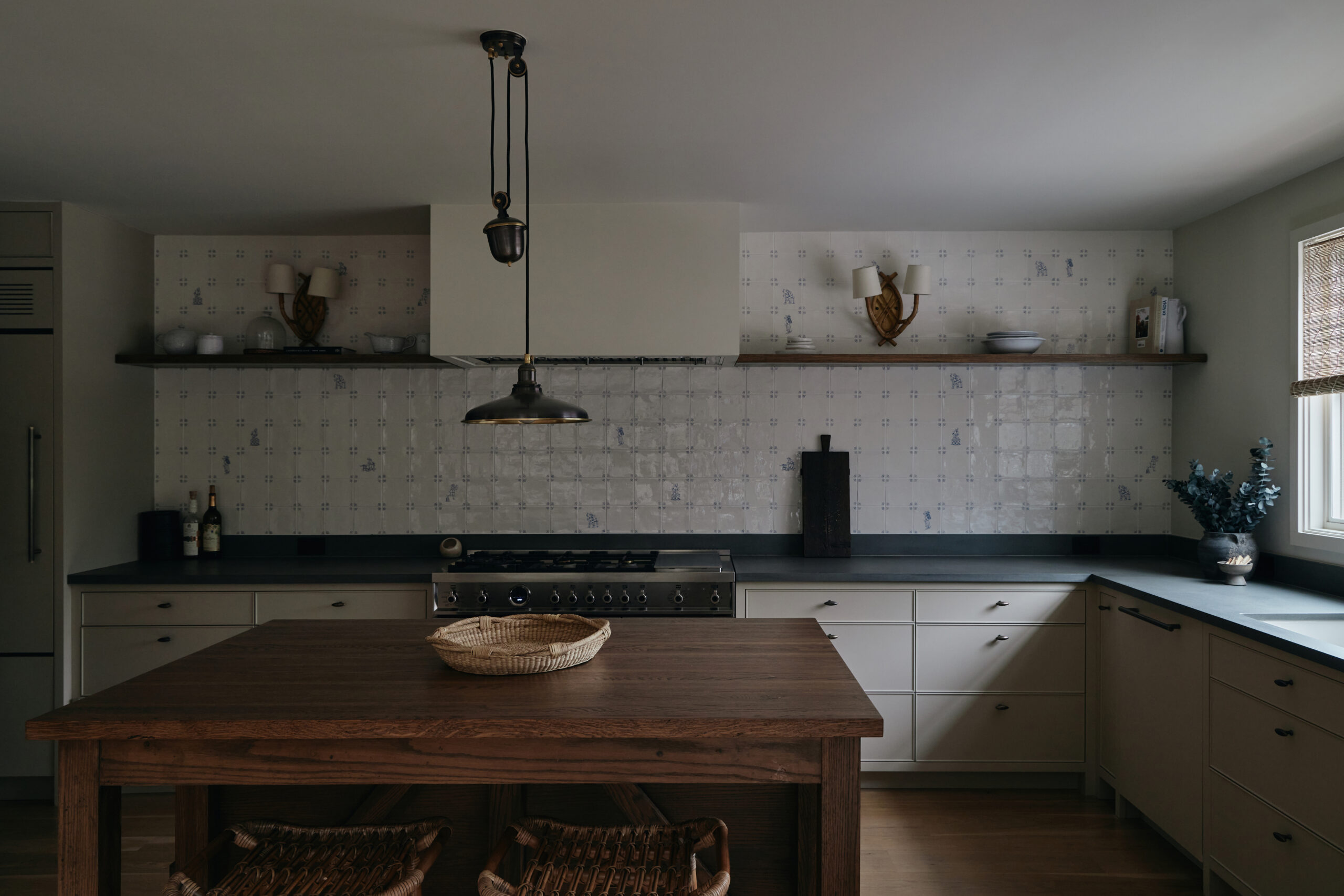
A kitchen that opens into a great room or dining area, and then extends visually or physically to an outdoor space, is a dominant feature in Hamptons real estate listings. Many older homes in the area were built with smaller, compartmentalized kitchens that no longer suit how buyers want to live.
An extension that bumps out the kitchen by 200–400 square feet, creates a proper island workspace, and includes a door or sliding panel to an outdoor dining area can reframe an entire home’s first impression. That type of addition speaks directly to how the Hamptons lifestyle actually works: outdoor meals, casual entertaining, and spaces that blur the line between inside and outside.
Screened Porches, Covered Terraces, and Pool Houses
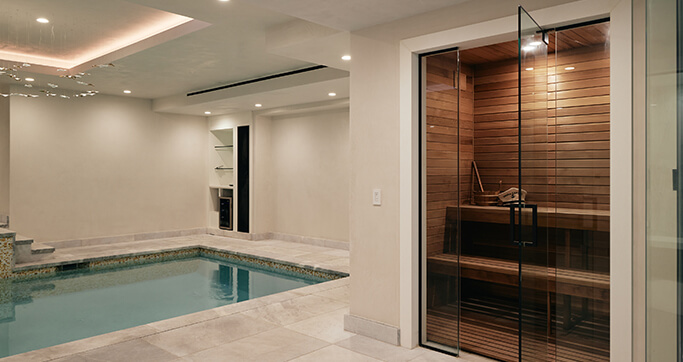
Outdoor additions are not an afterthought in this market. They are often what buyers reference when describing why they chose one property over another. A well-designed screened porch with cedar ceilings and mahogany decking, or a pool house with a bathroom and kitchenette, reads as essential infrastructure in the Hamptons, not a bonus.
How Do These Additions Compare by Value and Investment?
| Addition Type | Buyer Appeal (Hamptons) | Typical Complexity | Year-Round Value |
| Primary Suite Addition | Very High | High | Yes |
| Garage with Living Space Above | High | High | Yes |
| Kitchen / Great Room Extension | Very High | Moderate to High | Yes |
| Screened Porch / Covered Terrace | High | Moderate | Partial |
| Pool House | High | High | With proper insulation |
| Standard Bedroom Addition | Moderate | Moderate | Yes |
How to Plan a Home Addition in the Hamptons
The planning process for a home addition in the Hamptons has more steps than a comparable project elsewhere, largely because of permit requirements, architectural review in certain areas, and the logistics of building in a seasonally constrained market. Understanding how long home additions take before you start can help you set realistic expectations and avoid scheduling surprises.
- Define your goal clearly. Are you adding for personal enjoyment, resale value, or both? The answer shapes which type of addition makes the most sense and what budget is appropriate.
- Review your property’s zoning constraints. Check your current lot coverage percentage, setbacks, and any flood zone or historic district overlays before developing a design. Your builder or architect can pull this information.
- Get a structural and site assessment. Older Hamptons homes sometimes have foundation conditions, septic proximity issues, or utility routing challenges that affect where an addition can go.
- Work with an architect familiar with local approvals. Permit timelines in the Hamptons can run longer than mainland Suffolk County. A local architect who has worked with the relevant building departments can help move the process forward.
- Nail down sequencing and seasonality. If you need the space ready for summer, construction needs to start well in advance. Work backwards from your target completion date to set a realistic start date.
- Plan finishes to match the property’s price tier. An addition with builder-grade finishes on a $4 million property will be noticed at resale. Match the quality of the addition to the existing home and the market it sits in.
Common Mistakes Homeowners Make with Home Additions
- Designing for summer use only. Pool houses and screened structures built without proper insulation or heating systems lose value with buyers who intend to use the property year-round.
- Choosing materials that don’t hold up to coastal conditions. The Hamptons’ salt air and humidity are hard on certain finishes, hardware, and wood species. Skimping on material selection leads to premature maintenance costs.
- Starting construction without a confirmed permit timeline. Permit delays can cascade into missed summer seasons or contractor scheduling conflicts, both of which add cost.
- Over-building for the street. An addition that dramatically exceeds the scale of neighboring properties or breaks with the architectural character of the neighborhood can actually hurt resale in this market.
- Ignoring septic system capacity. Adding bedrooms or bathrooms typically triggers a septic review. Many Hamptons properties are near capacity, and upgrading a septic system mid-project adds time and expense.
- Underestimating soft costs. Architectural fees, permit fees, engineer sign-offs, and utility upgrades are real costs that should be budgeted from the start, not discovered partway through.
What About Nearby Areas Beyond the Core Hamptons?
The same addition priorities apply across much of the East End, though each area has its own buyer profile and price dynamics.
| Area | Market Character | Top Addition Priority |
| Southampton Village | Ultra-premium, estate scale | Primary suite, pool house |
| East Hampton | High-end, design-focused | Kitchen expansion, great room |
| Bridgehampton | Agricultural meets luxury | Garage with loft, outdoor structures |
| Sag Harbor | Village scale, historic character | Careful suite additions, screened porches |
| Montauk | Beach-casual, rental demand | Guest suite, outdoor living |
| Westhampton Beach | Entry-level Hamptons | Kitchen extension, bedroom addition |
Frequently Asked Questions
What house renovations increase value the most?
Across most markets, kitchen renovations, bathroom additions, and primary suite expansions tend to deliver the strongest return. In a luxury market like the Hamptons, outdoor living structures, guest suite additions, and kitchen extensions to a great room format also rank very high. The projects that add value most reliably are those that solve a real livability problem, not just those that add square footage.
What is the most expensive part of the Hamptons to live in?
Southampton Village and the area around Meadow Lane are consistently cited as among the most expensive residential areas in the country, not just the Hamptons. East Hampton Village also commands extreme premiums, particularly for properties near the ocean or village center. Property values in these areas can reach into the tens of millions, which changes the calculus for which additions make financial sense.
Meadow Lane in Southampton has been reported as one of the most expensive streets per square foot in the United States, with some transactions recorded at eight-figure prices for oceanfront properties.
What is the 30% rule for renovations?
The 30% rule is a general guideline suggesting that you should not invest more than 30% of your home’s current value in renovations if you want to recoup the cost at resale. For example, on a $2 million home, the idea is to keep total renovation spend under $600,000. In the Hamptons, this rule applies loosely: the premium nature of the market means that quality additions often recoup more than average, but it is still a useful check against over-building relative to your property’s baseline value.
How to increase home value by $50,000?
In most markets, a targeted kitchen update, bathroom addition, or curb appeal overhaul can move the needle by that amount. In the Hamptons, $50,000 is a smaller relative figure, so the most effective approach at that budget is usually improving an existing space rather than adding new square footage. A bathroom renovation, updated outdoor dining area, or landscaping refresh tied to an existing structure can move value in that range without requiring a full addition project.
What lowers property value the most?
Deferred maintenance, poor drainage, and dated kitchens or bathrooms are consistent value reducers in any market. In the Hamptons specifically, anything that signals neglect (wood rot from salt air exposure, failing septic systems, or poorly maintained pools) can have an outsized negative effect because buyers at this price point expect turnkey condition. Additions or renovations completed without permits can also significantly reduce value, as they create title and compliance issues at the point of sale. You can explore more about home extensions and additions to understand what projects improve versus complicate a property’s position.
Ready to Plan Your Home Addition in the Hamptons?
The right home addition can genuinely change how your property functions, how it feels to live in, and what it is worth when you decide to sell. In the Hamptons, that means thinking carefully about what buyers in this market actually value and building something that holds up to the environment and the expectations of the people who shop here.
Buildform works with homeowners across the Hamptons on additions designed to fit the architecture, the market, and the way you actually use the space. If you are weighing your options and want to talk through what makes sense for your property, reach out to start the conversation.