
How Do Home Additions Impact My Property Taxes in the Hamptons, NY?
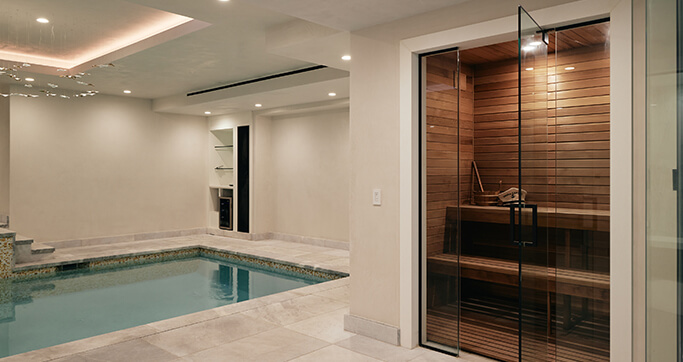
Home additions in the Hamptons, NY typically trigger a property tax reassessment because they increase your home’s assessed value. The size, type, and permitted status of the addition all affect how much your taxes change. Understanding how Suffolk County assesses improvements can help you plan your project without unexpected financial surprises. If you’re planning a […]
What Home Additions Add the Most Value in the Hamptons, NY
In the Hamptons, the home additions that add the most value are primary suite expansions, garage additions with living space above, screened outdoor structures, and kitchen extensions. These projects align with what luxury buyers in Suffolk County actively look for, and when done right, they tend to return a significant portion of their cost at […]
How to Find Contractors for Home Additions in the Hamptons, NY
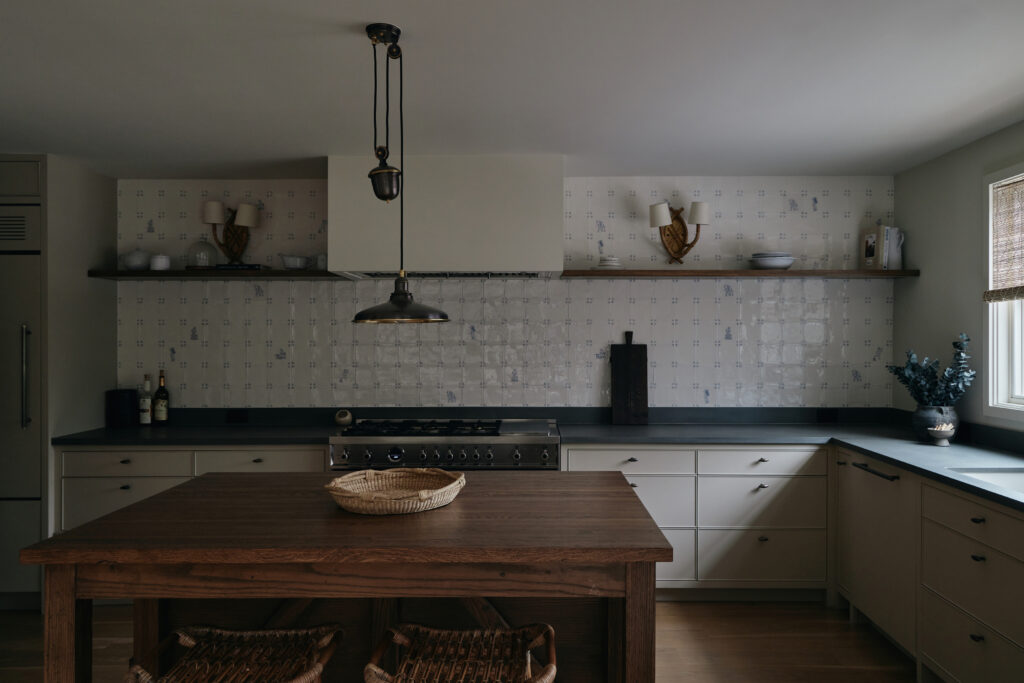
Finding the right contractor for a home addition in the Hamptons requires more than a quick online search. The local market has distinct licensing requirements, seasonal scheduling pressures, and high-end construction standards that make vetting more important here than in most regions. This guide walks through the full process, from knowing what to look for […]
How Long Do Home Additions Take in the Hamptons, NY?
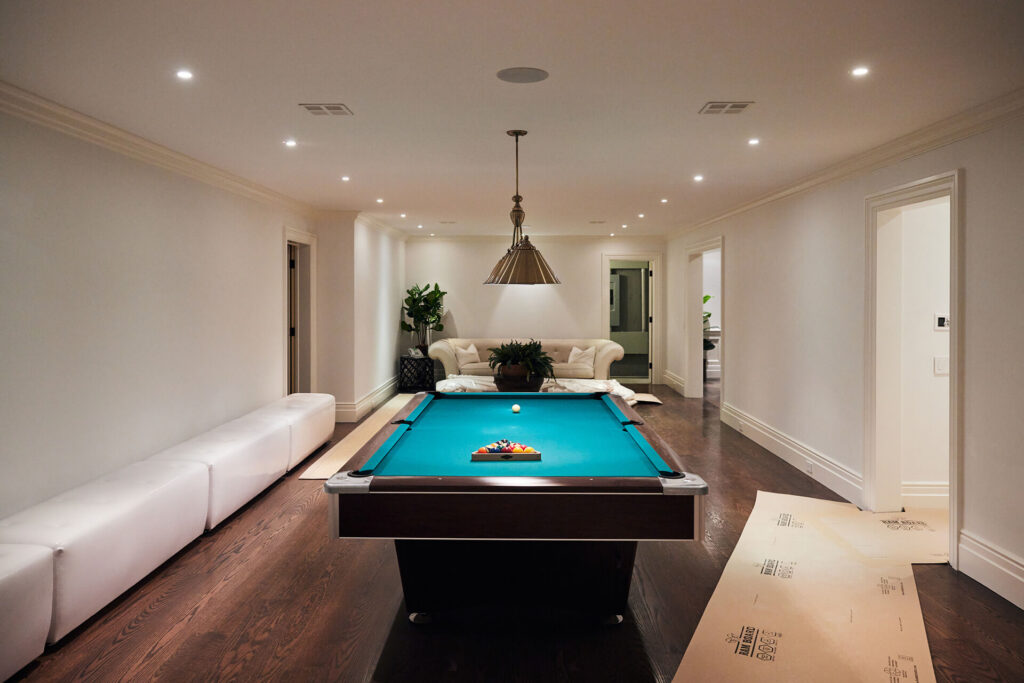
Home additions in the Hamptons typically take anywhere from 4 to 18 months, depending on the size, complexity, and local permitting requirements. Coastal zoning regulations, seasonal contractor availability, and the custom nature of most Hamptons properties add time that standard national timelines don’t account for. Planning early and working with an experienced local builder significantly […]
What Makes a House a Custom Home? A Builder’s Honest Breakdown
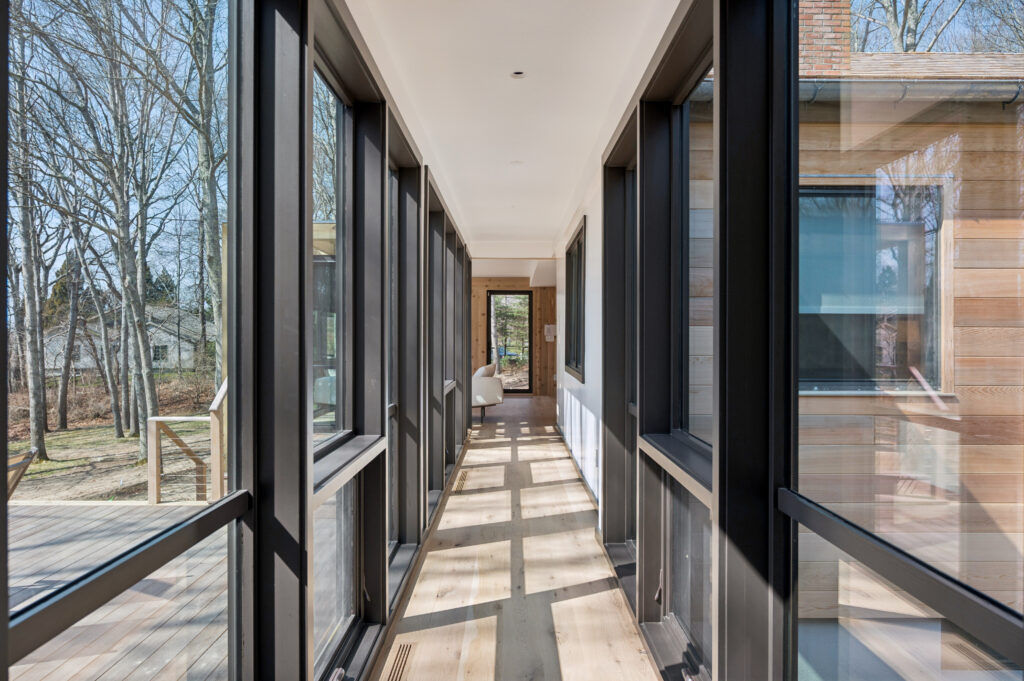
A custom home is a one-of-a-kind residence designed and built specifically for one client on a chosen lot, with the homeowner controlling decisions from floor plan to finishes. Unlike production or semi-custom homes, every structural and aesthetic detail is tailored to the buyer’s lifestyle, preferences, and budget. The result is a home that no one […]
Do Custom Homes Sell for More? The Real Answer for Today’s Housing Market
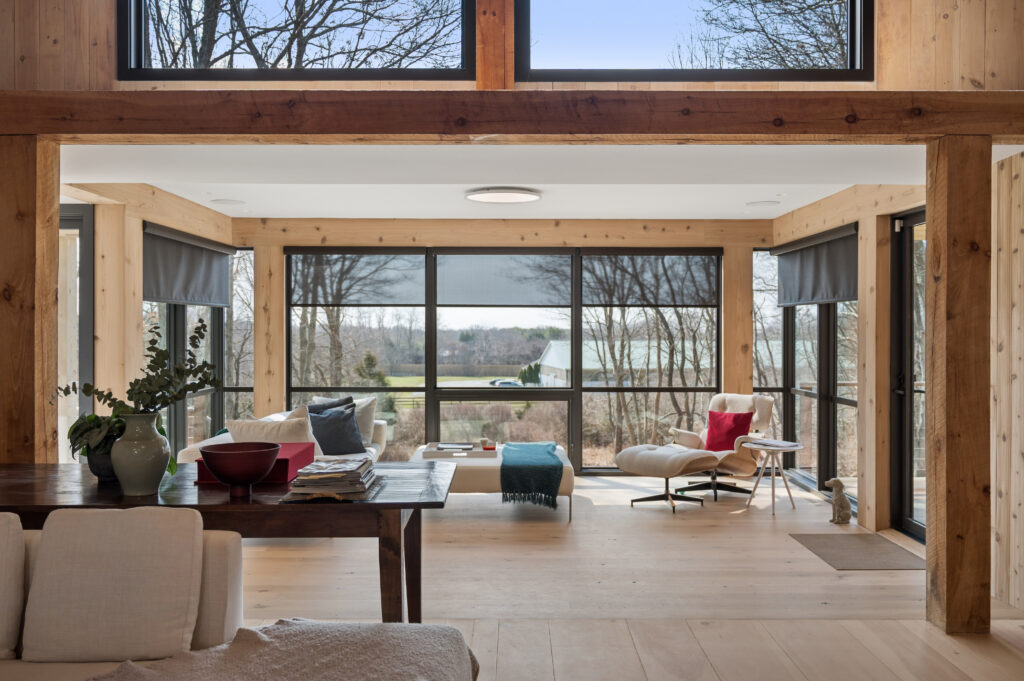
Custom homes can sell for more than comparable production homes, but the premium depends heavily on location, build quality, design choices, and current buyer demand. Homes with thoughtful layouts, high-quality finishes, and features aligned with local buyer preferences tend to command higher prices. However, over-customization or poor market timing can limit resale value, regardless of […]
How to Build a Custom Home: What to Expect From Start to Finish
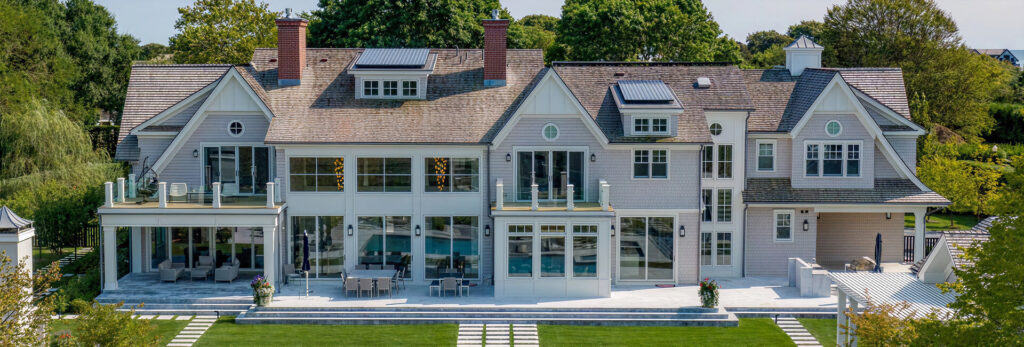
Building a custom home involves several interconnected phases: acquiring land, securing financing, working with a designer or architect, obtaining permits, and managing construction through to final inspection. The process typically takes one to three years depending on location, design complexity, and local permitting timelines. Working with an experienced builder early in the process is one […]
How Long Does It Take to Build a Custom Home in 2026?
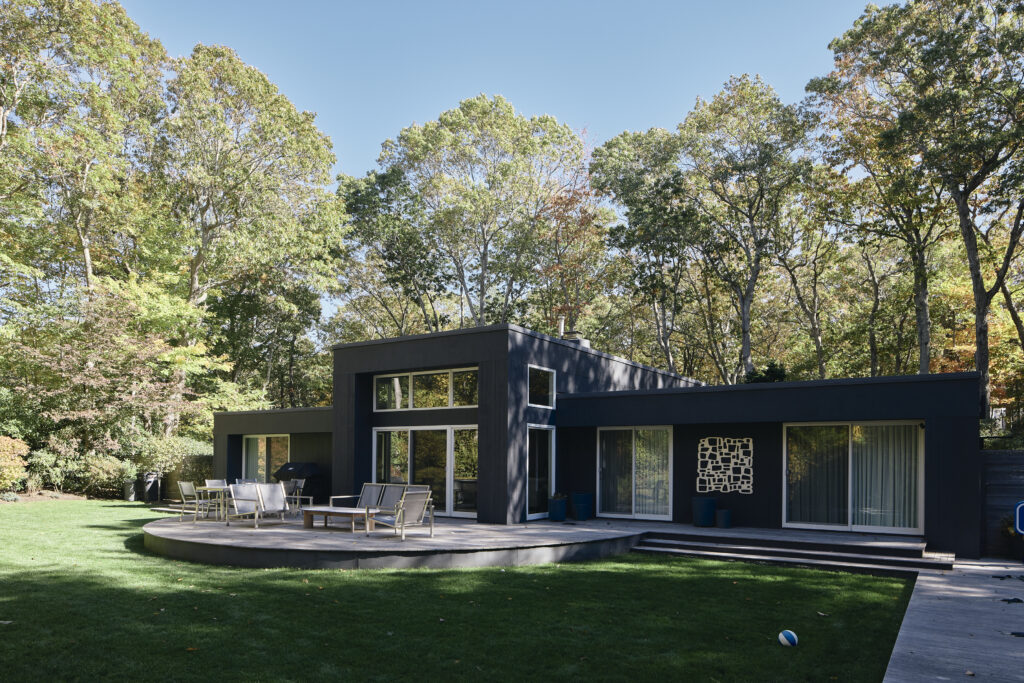
Building a custom home typically takes 12 to 24 months from initial design through final walkthrough, though that range can shift significantly based on lot conditions, design complexity, permitting timelines in your area, and material lead times. Most projects fall somewhere between 14 and 18 months when planned carefully with an experienced builder. If you’re […]
What Are the 5 Phases of the Design-Build Process?
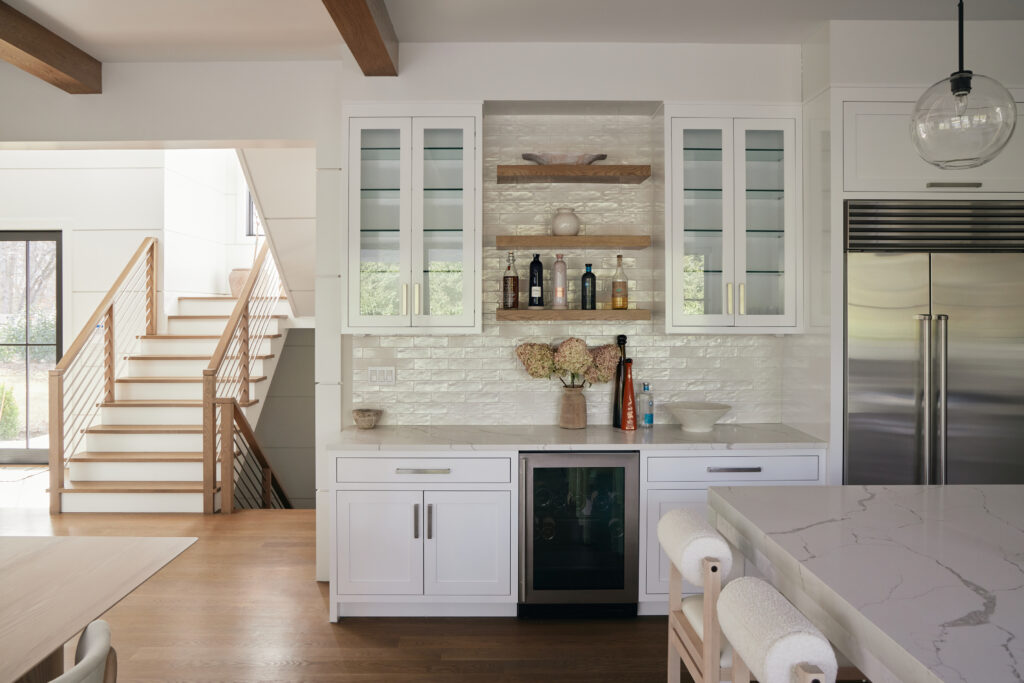
The design-build process moves through five phases: pre-design planning, schematic design, design development, construction documents, and construction itself. Unlike traditional delivery methods that separate architect and contractor, design-build consolidates responsibility under one team, which reduces miscommunication and often shortens project timelines significantly. Most people assume building a home or commercial space means juggling two completely […]
What Are the 4 Methods of Valuing Variations in Design-Build Contracts?
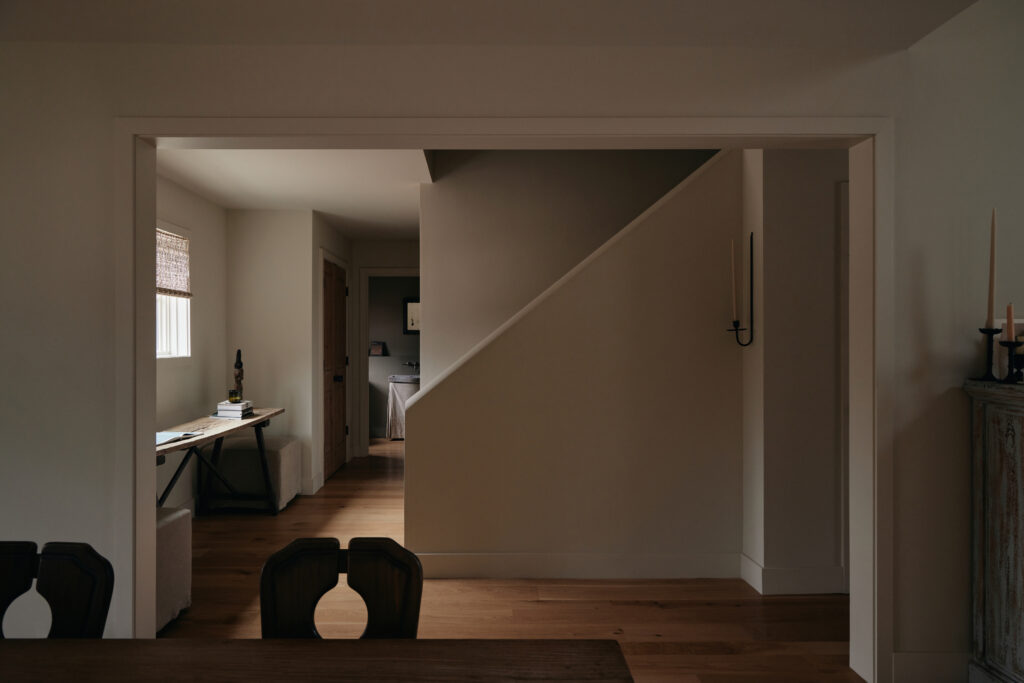
The four methods of valuing variations in design-build contracts are: agreed lump sum pricing, bill of quantities rates, daywork rates, and fair valuation by the contract administrator. Each method applies in different circumstances depending on what information is available, how similar the variation is to original contract work, and whether agreement can be reached between […]